

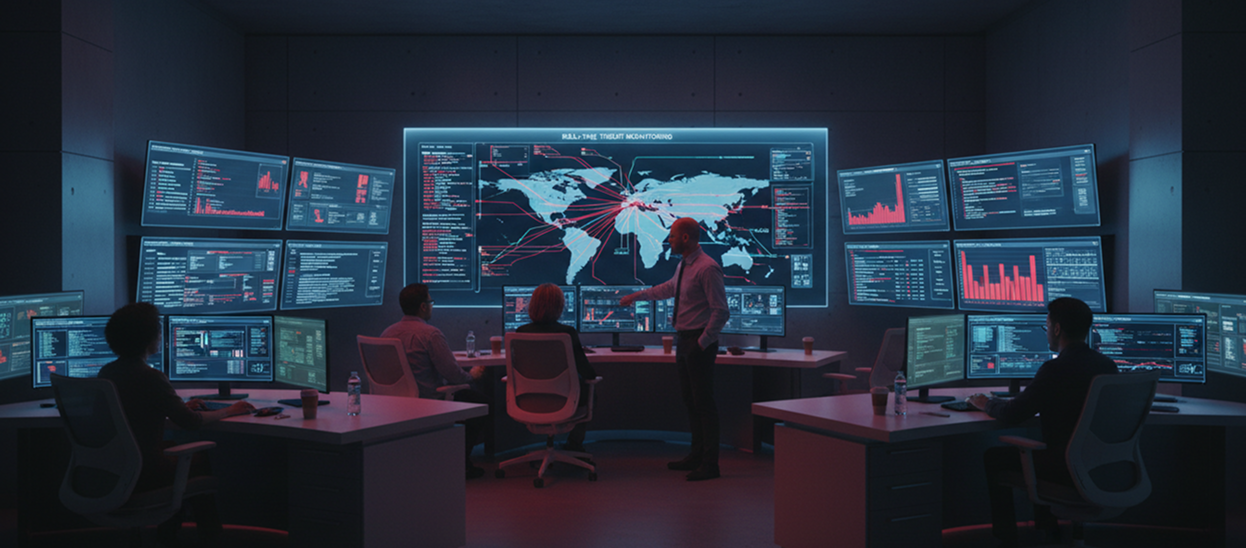
Explore how 24/7 monitoring helps detect suspicious activity faster and improves response before threats escalate. In today’s digital world, cyber threats are evolving faster than ever before. Businesses of all sizes face constant risks from ransomware, phishing attacks, data breaches, insider threats, and system vulnerabilities. Traditional security measures that rely on periodic scans or manual checks are no longer enough. Continuous Security Monitoring (CSM) provides real-time visibility into your IT environment, allowing organizations to detect, analyze, and respond to threats before they become major incidents.
Continuous Security Monitoring is an ongoing process of collecting, analyzing, and responding to security-related events across networks, servers, cloud platforms, applications, and endpoints. Instead of waiting for scheduled security assessments, CSM continuously monitors system activity to identify suspicious behavior and potential vulnerabilities.
“Cyber security is more than stopping attacks—it’s about protecting your business, securing your data, and building confidence in every digital interaction.”
1. Detect Threats in Real Time
Cyberattacks can happen within minutes, and delays in detection often lead to greater damage. Continuous monitoring identifies unusual activities immediately, enabling security teams to investigate and respond before attackers can compromise sensitive systems.
2. Reduce the Risk of Data Breaches
Sensitive customer information, financial records, and business data are valuable targets for cybercriminals. Continuous monitoring helps detect unauthorized access, unusual login attempts, and suspicious data transfers, reducing the likelihood of costly breaches.
3. Identify Vulnerabilities Early
Software vulnerabilities appear regularly as new updates and applications are introduced. Continuous monitoring helps organizations discover outdated software, configuration errors, and security weaknesses before attackers exploit them.
4. Improve Incident Response
The faster a threat is detected, the faster it can be contained. Continuous monitoring provides detailed logs, alerts, and forensic information that help security teams quickly investigate incidents and minimize downtime.
5. Protect Remote and Hybrid Workforces
With employees working from multiple locations and using various devices, security risks have increased significantly. Continuous monitoring ensures remote endpoints, cloud services, and VPN connections remain protected around the clock.
6. Support Regulatory Compliance
Many industries require organizations to maintain strong security practices and monitoring capabilities. Continuous monitoring helps meet compliance requirements by maintaining security logs, tracking events, and providing evidence during audits.
7. Leverage AI & Threat Intelligence
Use AI-powered analytics and global threat intelligence to identify emerging threats, prioritize risks, and strengthen your overall security posture.
